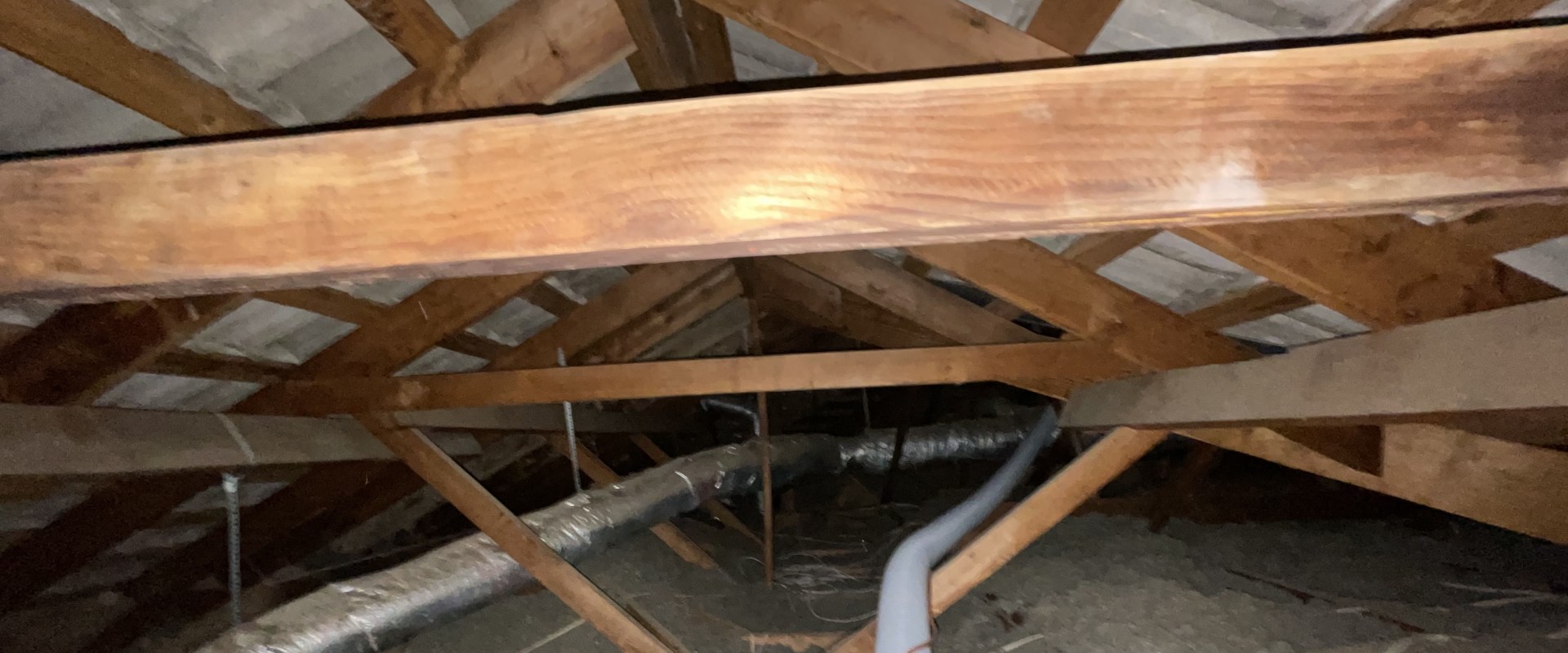
Attic insulation plays a pivotal role in enhancing the overall energy efficiency of a home. It acts as a barrier against heat loss during the winter months and prevents excessive heat from entering during the summer. This dual functionality not only contributes to a more comfortable living environment but also significantly reduces energy consumption, leading to lower utility bills. Understanding the importance of attic insulation is essential for homeowners who wish to maintain a sustainable and cost-effective household.When properly installed and maintained, attic insulation can help regulate indoor temperatures, ensuring that your heating and cooling systems operate efficiently.
This is particularly crucial in regions with extreme weather conditions, where the demand for heating or cooling can spike dramatically. By investing in quality insulation, homeowners can create a more stable indoor climate, which enhances comfort levels and promotes better air quality.However, it is important to recognize that attic insulation is not a one-time installation. Over time, various factors such as moisture, pests, and general wear and tear can compromise its effectiveness. This is why regular inspections and timely replacements are vital.
Homeowners should be proactive in assessing their attic insulation to ensure it continues to perform at optimal levels. By doing so, they not only protect their investment but also contribute to a greener environment by reducing energy waste.
Lifespan of Attic Insulation: How Long Does It Last?
Understanding the lifespan of attic insulation is crucial for homeowners looking to maintain energy efficiency and comfort in their homes. While many types of insulation can last for decades, their effectiveness can diminish significantly over time due to various factors.Generally, the lifespan of attic insulation varies depending on the material used:- Fiberglass Insulation: This is one of the most common types of attic insulation. It can last anywhere from 20 to 30 years.
However, its performance may decline if it becomes wet or compressed, which can happen due to leaks or poor ventilation.
- Cellulose Insulation: Made from recycled paper products, cellulose insulation typically has a lifespan of about 20 to 30 years as well. It is more susceptible to moisture damage than fiberglass, which can lead to mold growth and reduced effectiveness.
- Spray Foam Insulation: Known for its superior air sealing properties, spray foam insulation can last up to 80 years if installed correctly. However, it can be more expensive and requires professional installation.
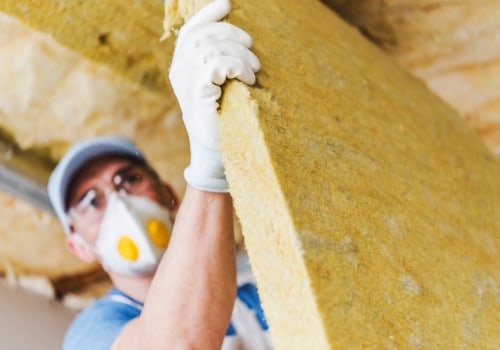
- Rock Wool (Mineral Wool) Insulation: This type of insulation is fire-resistant and can last around 30 to 50 years. Its durability makes it a popular choice for many homeowners.
- Moisture Exposure: Water damage from leaks or high humidity can significantly reduce the insulating properties of materials like cellulose and fiberglass.
- Pest Infestations: Rodents and insects can compromise insulation by nesting in it or creating pathways that allow air leaks.
- Poor Ventilation: Inadequate airflow in the attic can lead to heat buildup and moisture accumulation, both of which can deteriorate insulation faster than expected.
If you notice signs such as drafts, increased energy bills, or visible damage, it may be time for a replacement. By staying proactive about your attic insulation's condition, you can maintain a comfortable living environment and optimize your home's energy efficiency.
Signs That Indicate It's Time to Replace Your Attic Insulation
Recognizing the signs that indicate it’s time to replace your attic insulation is crucial for maintaining a comfortable and energy-efficient home. Homeowners should be vigilant and proactive in identifying these indicators to avoid escalating issues that could lead to costly repairs.- Drafts and Temperature Fluctuations: One of the most noticeable signs of failing insulation is the presence of drafts. If you feel cold air seeping through your walls or ceilings, or if certain rooms are significantly colder or warmer than others, it may be time to assess your attic insulation.
This uneven temperature distribution often indicates that the insulation is no longer effective in regulating heat transfer.
- Increased Energy Bills: A sudden spike in your energy bills can be a red flag. If you notice that your heating and cooling costs have risen without any changes in usage patterns, it could suggest that your attic insulation is not performing as it should. Inefficient insulation allows conditioned air to escape, forcing your HVAC system to work harder and consume more energy.
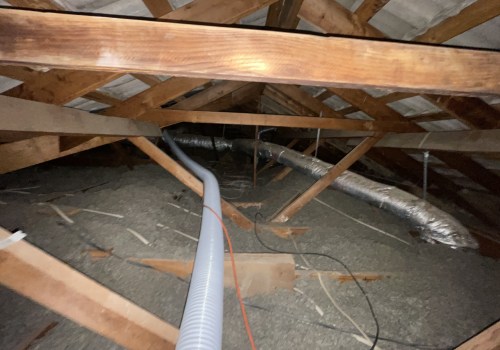
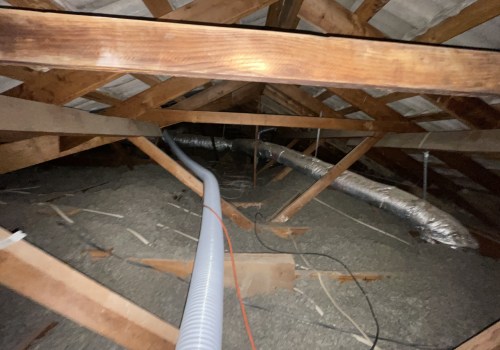
- Visible Damage: Inspecting your attic for visible signs of damage can provide valuable insights into the condition of your insulation. Look for areas where the insulation appears compressed, wet, or moldy.
Water damage from leaks can severely compromise insulation effectiveness, while pest infestations can also lead to significant degradation.
- Mold Growth: The presence of mold in your attic is a serious concern. Mold thrives in damp environments, and if your insulation is holding moisture due to leaks or poor ventilation, it can become a breeding ground for mold spores. Not only does this affect the integrity of the insulation, but it can also pose health risks to your household.
- Pest Infestations: Rodents and insects can wreak havoc on attic insulation. If you find signs of pest activity, such as droppings or nests, it’s essential to address this issue immediately.
Pests can chew through insulation materials, creating gaps that reduce their effectiveness and allow for further temperature fluctuations.
Factors Affecting the Longevity of Attic Insulation
The longevity of attic insulation is influenced by a variety of factors that can significantly affect its performance and effectiveness over time. Understanding these factors is crucial for homeowners looking to maintain a comfortable and energy-efficient living environment.Environmental Conditions
One of the primary factors affecting the lifespan of attic insulation is the environmental conditions in which it exists. Extreme temperatures, whether hot or cold, can lead to the degradation of insulation materials.For instance, prolonged exposure to high heat can cause fiberglass insulation to lose its structural integrity, while excessive cold can lead to condensation issues that compromise its effectiveness.
Moisture Levels
Moisture
is another critical element that can drastically shorten the lifespan of attic insulation. High humidity levels or water leaks from the roof can saturate insulation materials, leading to mold growth and a significant reduction in thermal performance. Insulation that becomes wet may not only lose its insulating properties but also become a breeding ground for harmful mold and mildew, posing health risks to occupants.
Pest Infestations
Pests such as rodents and insects can also have a detrimental impact on attic insulation. These creatures often seek shelter in attics, where they can chew through insulation materials, creating gaps that reduce their effectiveness.Additionally, pest droppings and urine can contaminate insulation, further compromising its performance. Regular inspections for signs of pest activity are essential to prevent such damage.
Ventilation Issues
Proper ventilation in the attic is vital for maintaining the integrity of insulation. Inadequate ventilation can lead to heat buildup and moisture accumulation, both of which can accelerate the deterioration of insulation materials. Ensuring that your attic has sufficient airflow helps regulate temperature and moisture levels, thereby extending the lifespan of your insulation.In summary, several factors—including environmental conditions, moisture levels, pest infestations, and ventilation—play a significant role in determining the longevity of attic insulation.Homeowners should be proactive in monitoring these elements to ensure their insulation remains effective and contributes positively to their home's energy efficiency.
The Benefits of Regularly Replacing Attic Insulation
Regularly replacing attic insulation offers a multitude of benefits that can significantly enhance your home’s overall performance. One of the most compelling advantages is the improvement in energy efficiency. Over time, insulation can become less effective due to factors such as moisture, pest damage, or simply aging. By investing in new insulation, homeowners can ensure that their homes are better equipped to retain heat during the winter and keep cool air inside during the summer.This leads to a more stable indoor temperature, reducing the need for excessive heating or cooling.Another key benefit of replacing attic insulation is the potential for cost savings on energy bills. When insulation is functioning optimally, it acts as a barrier against heat transfer, which means your HVAC system doesn’t have to work as hard to maintain comfortable temperatures. This can translate into lower monthly energy costs. In fact, studies have shown that homeowners can save up to 20% on their energy bills by upgrading their insulation.In addition to energy savings, new attic insulation can greatly enhance the comfort levels within your home.
Drafts and temperature fluctuations can make living spaces uncomfortable, especially in extreme weather conditions. By ensuring that your attic is properly insulated, you create a more consistent and pleasant environment throughout your home. This is particularly important for rooms located directly beneath the attic, where inadequate insulation can lead to significant temperature differences.Moreover, modern insulation materials often come with improved properties such as moisture resistance and soundproofing capabilities. This means that not only will your home be more energy-efficient and comfortable, but it may also be quieter and less prone to issues related to humidity.In summary, regularly replacing attic insulation is not just about maintaining a home; it’s about enhancing its efficiency, comfort, and overall value.
By prioritizing this aspect of home maintenance, homeowners can enjoy long-term benefits that extend beyond immediate cost savings.
Choosing the Right Attic Insulation Companies for Your Needs
When it comes to enhancing your home’s energy efficiency and comfort through attic insulation, selecting the right attic insulation companies is crucial. With numerous options available, it can be overwhelming to determine which contractor will best meet your needs. Here are some essential tips to guide you in making an informed decision.1.Research and Reviews
- Start by researching local attic insulation companies. Look for contractors with a solid reputation in your community.
- Check online reviews on platforms like Google, Yelp, or Angie's List.
Pay attention to both positive and negative feedback to get a balanced view.
- Ask friends, family, or neighbors for recommendations based on their experiences.
2.Verify Credentials
- Ensure that the contractor is licensed and insured. This protects you from liability in case of accidents during the installation process.
- Look for certifications from recognized organizations, such as the Insulation Contractors Association of America (ICAA) or the Energy Star program.
3.Experience Matters
- Inquire about the company’s experience in the industry. A contractor with years of experience is likely to have encountered various challenges and can provide effective solutions.
- Ask if they specialize in specific types of insulation materials, such as fiberglass, cellulose, or spray foam.
4.Get Multiple Quotes
- Request estimates from at least three different contractors. This will give you a better understanding of the market rates and help you identify any outliers.
- Ensure that each quote includes a detailed breakdown of costs, including materials and labor.
5.Ask the Right Questions
- Before hiring a contractor, ask about their installation process and timeline.
Understanding how they work can help set your expectations.
- Inquire about warranties on both materials and labor. A reputable company should stand behind their work.
- Don’t hesitate to ask for references from previous clients. Speaking directly with past customers can provide valuable insights into the contractor’s reliability and quality of work.
Types of Attic Insulation: Which One is Right for You?
When it comes to attic insulation , homeowners have several options to choose from, each with its own set of advantages and disadvantages. Understanding these differences can help you make an informed decision that best suits your home’s needs and your budget.Fiberglass Insulation
Fiberglass insulation is one of the most commonly used materials for attics.It comes in batts or rolls and is made from fine glass fibers. Here are some key points:
- Pros: Fiberglass is relatively inexpensive, non-combustible, and resistant to moisture. It also has a good R-value, which measures its thermal resistance.
- Cons: Installation can be tricky, as it requires careful handling to avoid skin irritation. Additionally, if it becomes wet, its insulating properties can diminish significantly.
Cellulose Insulation
Cellulose insulation is made from recycled paper products treated with fire retardants.It is often blown into attics, making it a great option for filling gaps and hard-to-reach areas.
- Pros: Cellulose is eco-friendly, has a high R-value, and provides excellent soundproofing. Its dense structure also helps resist pests.
- Cons: It can settle over time, reducing its effectiveness. Moreover, if not properly installed, it may absorb moisture, leading to mold growth.
Spray Foam Insulation
Spray foam insulation is a newer option that expands upon application to fill gaps and cracks effectively. It creates an airtight seal that can significantly improve energy efficiency.- Pros: Spray foam offers the highest R-value per inch and acts as both insulation and an air barrier.
This dual function can lead to substantial energy savings.
- Cons: It is more expensive than other types of insulation and requires professional installation. Additionally, some spray foams may emit volatile organic compounds (VOCs) during application.
Frequently Asked Questions About Attic Insulation Replacement
When it comes to attic insulation replacement , homeowners often have numerous questions. Understanding the ins and outs of insulation can help you make informed decisions about your home’s energy efficiency and comfort.Below are some of the most frequently asked questions regarding attic insulation replacement.
How often should you replace attic insulation?
Generally, it is recommended to replace attic insulation every 15 to 20 years. However, this timeline can vary based on several factors, including the type of insulation material used, local climate conditions, and any potential damage from pests or moisture. Regular inspections every 5 to 10 years can help identify any issues that may necessitate earlier replacement.What are the signs that my attic insulation needs to be replaced?
- Increased energy bills: If you notice a significant rise in your energy costs without any changes in usage, it may indicate that your insulation is no longer effective.
- Drafts or temperature fluctuations: Feeling drafts in your home or experiencing uneven temperatures between rooms can signal that your insulation is compromised.
- Moisture or mold: Signs of moisture or mold growth in the attic can indicate that your insulation has been affected by water damage and needs replacement.
- Pest infestations: Rodents and insects can damage insulation materials, making them less effective. If you find signs of pests, it’s crucial to address both the infestation and the condition of your insulation.
Can I install new insulation over old insulation?
In some cases, it is possible to install new insulation over existing materials.However, this depends on the condition of the old insulation. If the existing insulation is damaged, wet, or infested with pests, it is best to remove it before adding new layers. Consulting with professional attic insulation companies can provide guidance tailored to your specific situation.
What types of attic insulation are available?
There are several types of attic insulation available, including:- Fiberglass batts: These are pre-cut panels that fit between joists and are easy to install.
- Batt and roll fiberglass: This type comes in rolls and can be cut to fit various spaces.
- Blown-in cellulose: Made from recycled paper products, this option is great for filling gaps and hard-to-reach areas.
- Spray foam: This provides an excellent air seal and is ideal for irregularly shaped spaces but can be more expensive.
Conclusion: Ensuring Your Home Stays Comfortable and Efficient with Proper Insulation Maintenance
In summary, the significance of regularly replacing attic insulation cannot be overstated.Proper insulation is essential for maintaining a comfortable living environment and ensuring energy efficiency in your home. As we have discussed, attic insulation typically has a lifespan of 80 to 100 years, but its effectiveness can diminish over time due to various factors such as moisture, pests, and extreme temperatures.To keep your home comfortable and energy-efficient, it is crucial to:
- Conduct Regular Inspections: Checking your attic insulation every 5 to 10 years can help identify any issues early on. Look for signs of wear, moisture damage, or pest infestations that could compromise the insulation's performance.
- Replace When Necessary: If you notice drafts, significant temperature fluctuations between rooms, or rising energy bills, it may be time to consider replacing your attic insulation. Ignoring these signs can lead to increased energy costs and discomfort in your home.
- Consult with Professionals: Engaging with certified attic insulation companies can provide you with expert advice on the condition of your insulation and whether replacement is necessary.
They can also recommend the best materials suited for your specific needs.